
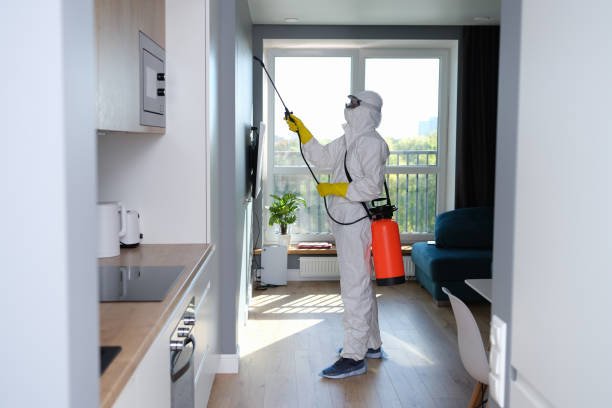
Maintaining a comfortable and healthy home environment involves more than routine cleaning and upkeep. One of the most overlooked aspects of home maintenance is pest control, which requires a proactive and informed approach. Rather than waiting for visible signs of infestation, homeowners benefit from understanding how pests behave, what attracts them, and how they gain access. This is why professional pest treatment Ipswich services prioritize identifying root causes instead of applying short-term fixes.
- Understanding Pest Behavior and Entry Points
Pests are constantly searching for food, shelter, and safe breeding areas, and even the smallest structural weaknesses can provide access. Cracks in foundations, gaps around windows or doors, and openings near utility lines are all common entry points. While these issues may seem minor, they can easily go unnoticed until a problem develops. Rodents can compress their bodies to fit through very tight spaces, while insects can enter through nearly invisible gaps. A detailed inspection helps uncover these vulnerabilities early, allowing homeowners to seal them effectively and reduce the risk of infestation.
- The Role of Moisture Management in Prevention
Moisture plays a significant role in attracting pests. Damp environments, such as basements, kitchens, and poorly ventilated crawl spaces, create ideal conditions for insects like cockroaches, termites, and silverfish. Leaking pipes, blocked gutters, and inadequate drainage can all contribute to excess moisture around the home. Addressing these issues is a crucial step in prevention, as it removes one of the main factors that pests rely on to survive. Improving ventilation and ensuring proper water flow away from the structure can make a noticeable difference in keeping pest activity under control.
- Seasonal Considerations for Targeted Control
Different pests become active at different times of the year, making seasonal awareness an important part of pest management. Warmer months often lead to increased activity from ants, flies, and wasps as they build colonies and search for food. On the other hand, cooler seasons tend to drive rodents indoors in search of warmth and shelter. Taking a proactive approach to pest treatment in Ipswich allows homeowners to prepare for these changes in advance. Preventative measures applied before peak activity periods are often more effective than reactive treatments after infestations have already developed.
- Integrated Approaches for Sustainable Results
Effective pest control rarely relies on a single solution. Instead, it involves a combination of strategies designed to address both immediate concerns and long-term prevention. Integrated pest management focuses on reducing attractants, sealing entry points, and using targeted treatments only when necessary. Monitoring systems can also be used to detect early signs of activity, making it easier to respond before the situation escalates. This balanced approach helps limit excessive chemical use while delivering more consistent and lasting results.
- Long-Term Maintenance Strategies
Sustainable pest control depends on consistency. Regular inspections, timely repairs, and simple maintenance habits all contribute to a pest-resistant environment. Keeping outdoor areas tidy, storing materials away from the home, and maintaining proper spacing between vegetation and structures can significantly reduce potential hiding spots. Homeowners who incorporate these practices into their routine often experience fewer recurring issues, making pest treatment in Ipswich more manageable and cost-effective over time.
Effective pest management is built on understanding, prevention, and ongoing care. By recognizing how environmental conditions, structural details, and pest behaviour interact, homeowners can take practical steps to protect their property and maintain a safe, comfortable living space year-round.
